





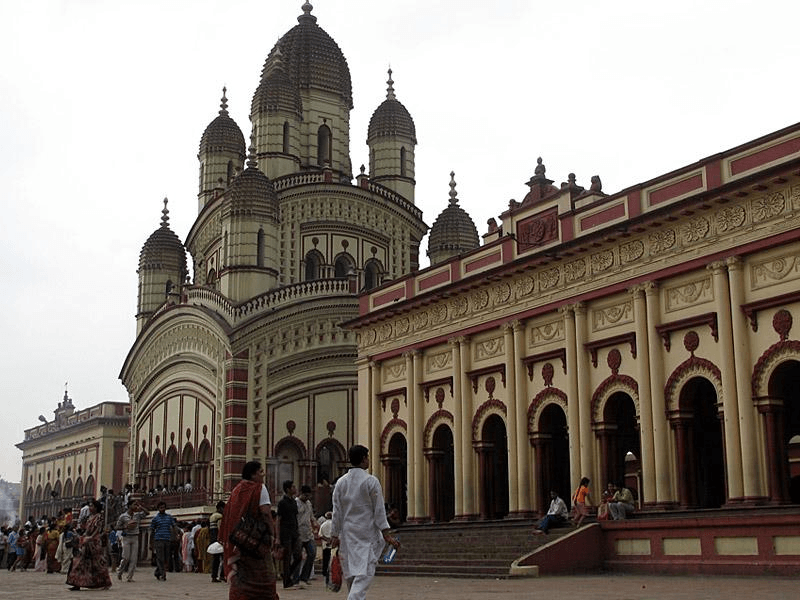
Dakshineswar Kali Temple and Belur Math
Dakshineswar Kali Temple, established by Rani Rashmoni in 1855, is closely associated with Sri Ramakrishna Paramahamsa. Across the Hooghly River, Belur Math, founded by Swami Vivekananda, represents universal brotherhood, spiritual harmony and service to humanity.
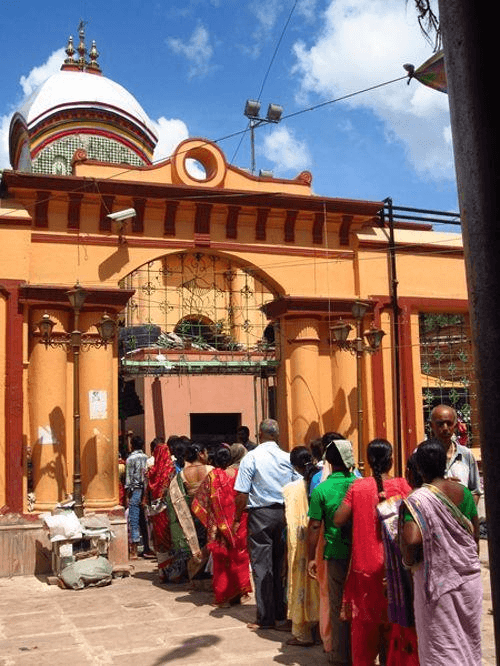
Kalighat Temple
One of Bengal’s most revered pilgrimage destinations, Kalighat Kali Temple is dedicated to Goddess Kali. Its religious traditions, bustling surrounding streets and devotional atmosphere offer visitors an authentic experience of Kolkata’s living spiritual heritage.
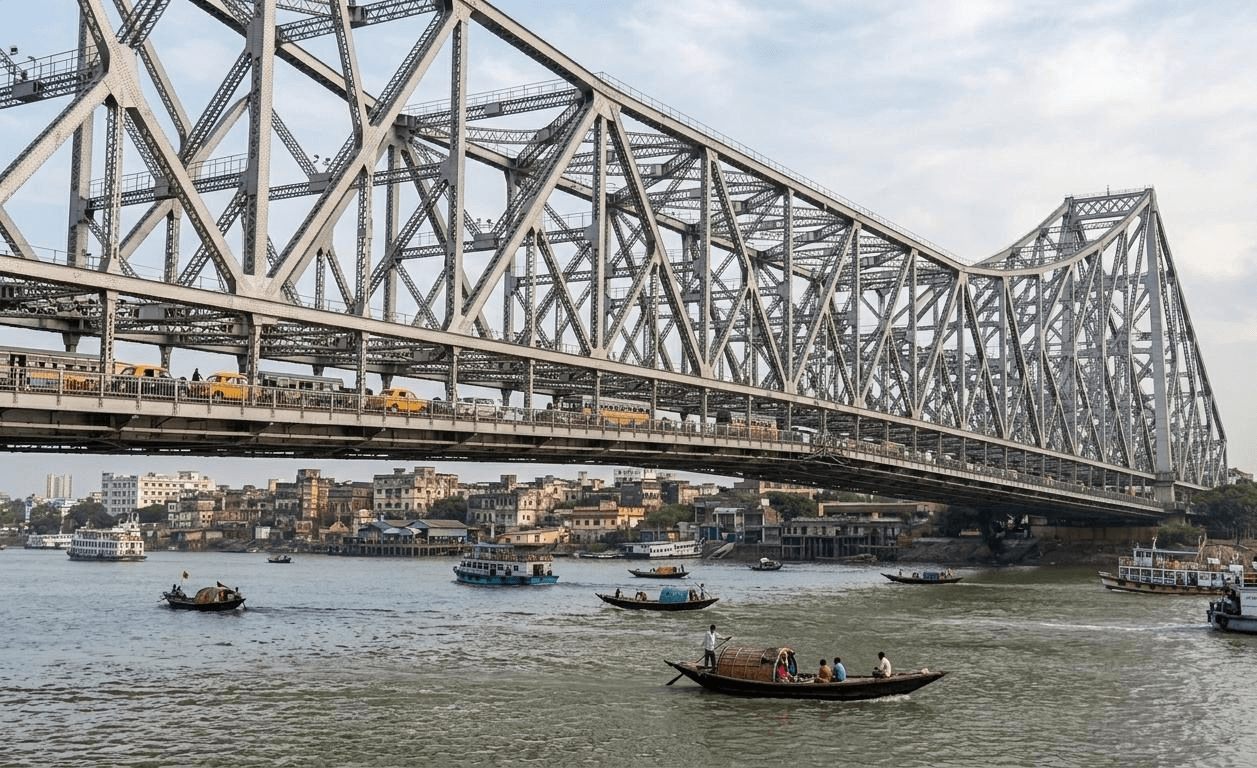
Howrah Bridge and the Hooghly Riverfront
Also known as Rabindra Setu, Howrah Bridge is an engineering landmark connecting Kolkata and Howrah. The nearby flower market, historic ghats and ferry services provide a vivid glimpse of the city’s everyday life. A river cruise offers beautiful views of the city skyline.
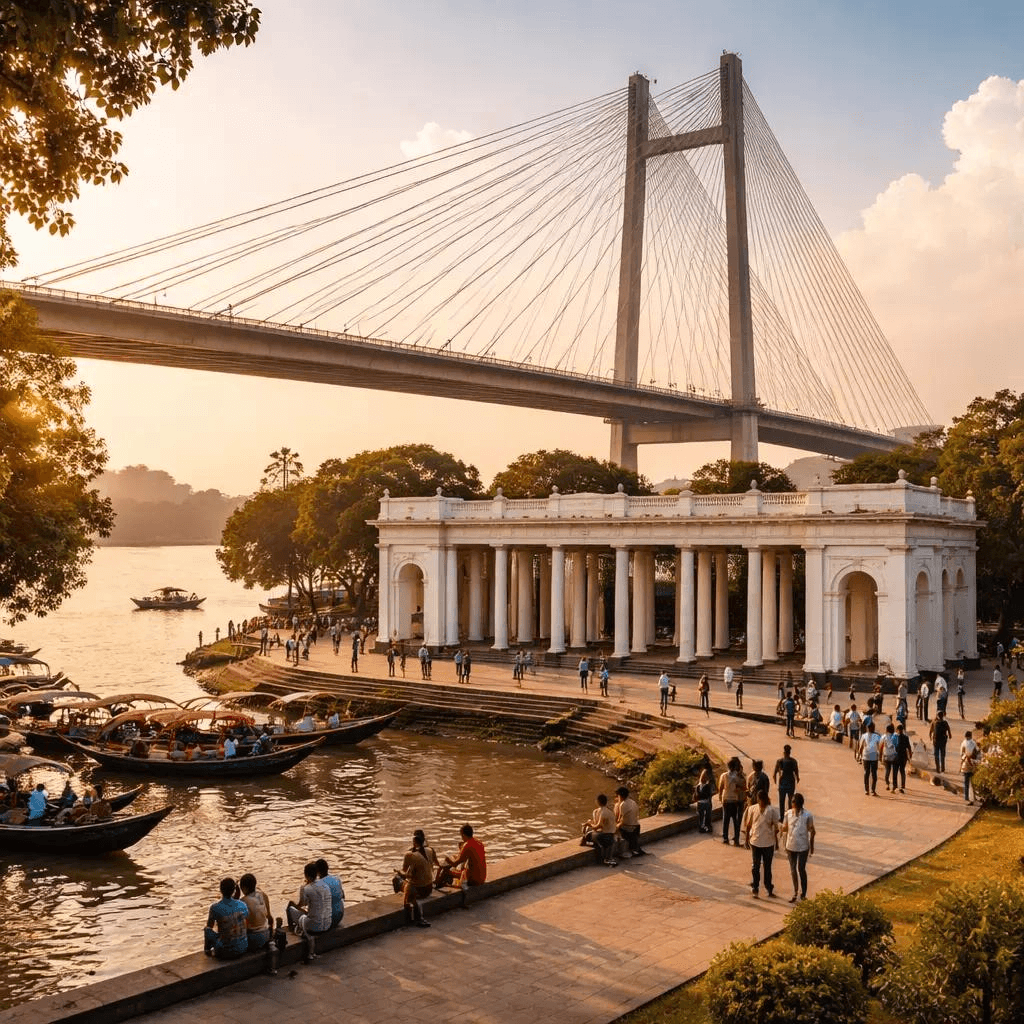
Prinsep Ghat and the River Cruise Experience
Built in 1841 in memory of scholar James Prinsep, Prinsep Ghat is a graceful Palladian structure on the banks of the Hooghly, framed by the Vidyasagar Setu. Its riverside promenade is especially atmospheric at sunset, and boat and cruise rides from the ghat offer delegates a relaxed view of Kolkata’s historic riverfront.
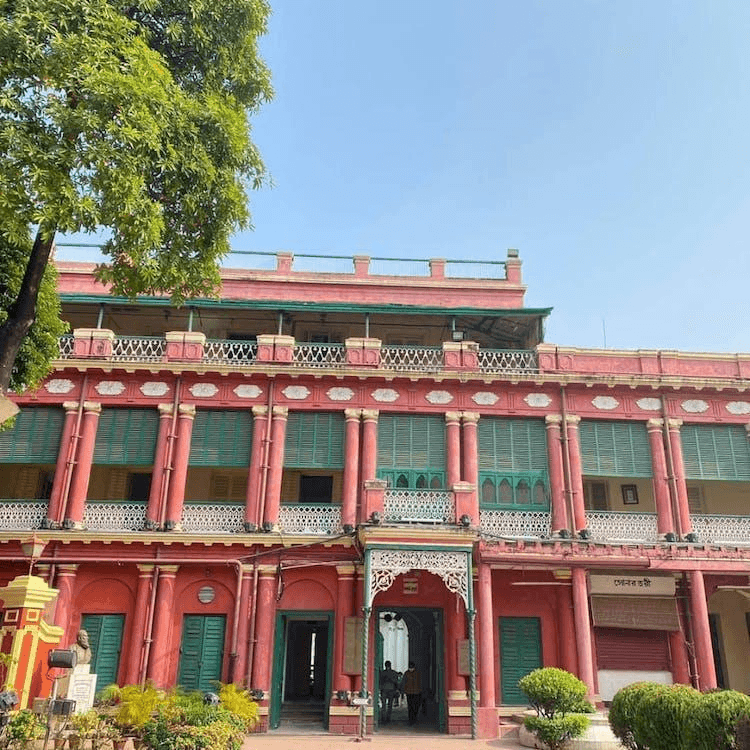
Jorasanko Thakur Bari
The ancestral home of Rabindranath Tagore, Jorasanko Thakur Bari celebrates the legacy of India’s Nobel Prize-winning poet, philosopher and composer. The museum showcases the Tagore family’s contributions to literature, music, art and social reform during the Bengal Renaissance.
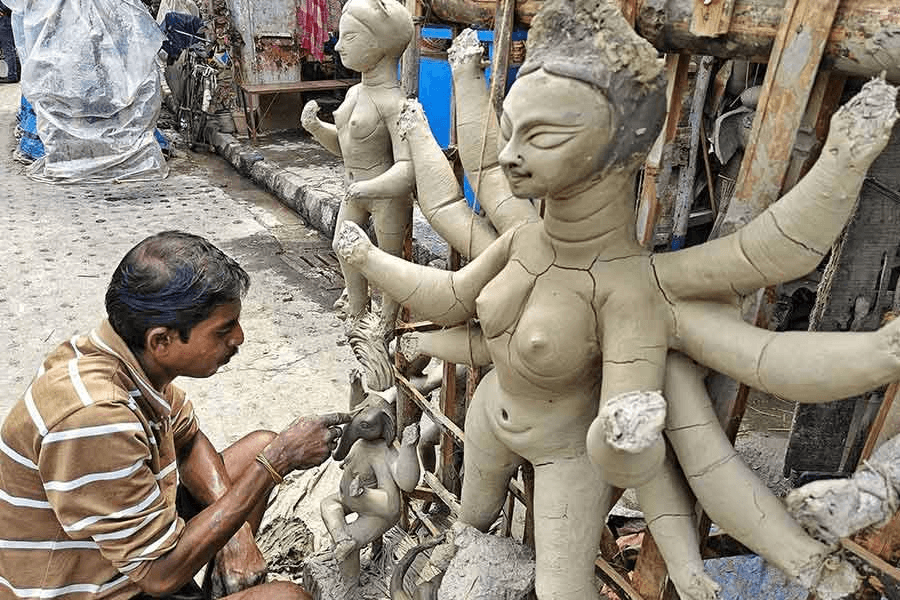
Kumartuli: The Artisans’ Quarter
Kumartuli is famous for its traditional sculptors who create intricate clay idols for Bengal’s religious festivals. Visitors can observe artisans shaping, painting and decorating the idols, discovering the extraordinary craftsmanship behind the region’s artistic traditions.
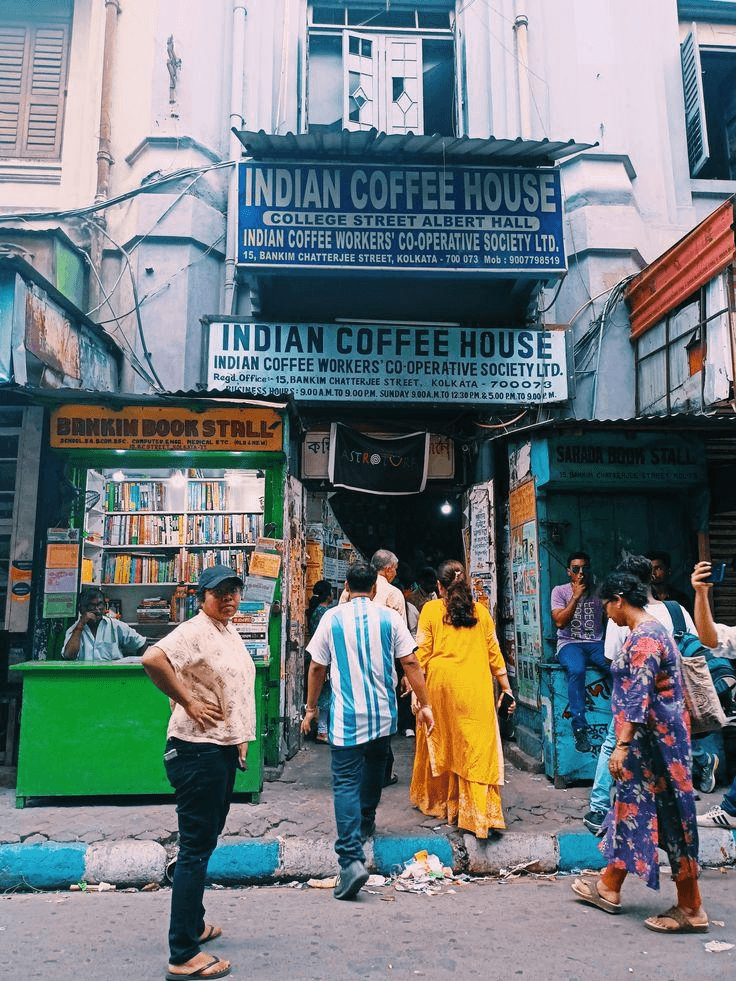
College Street and Indian Coffee House
Known as Boi Para, College Street is celebrated for its bookshops, pavement stalls and rare literary finds. The historic Indian Coffee House nearby has long been a meeting place for writers, students and intellectuals, capturing Kolkata’s enduring passion for literature and debate.

Park Street and Kolkata’s Culinary Heritage
Park Street is renowned for its restaurants, cafés, bakeries and lively atmosphere. Delegates can savour Bengali specialities such as macher jhol, shorshe ilish, kathi rolls, rosogolla, sandesh and mishti doi, experiencing the warmth and diversity of Bengal’s culinary traditions.
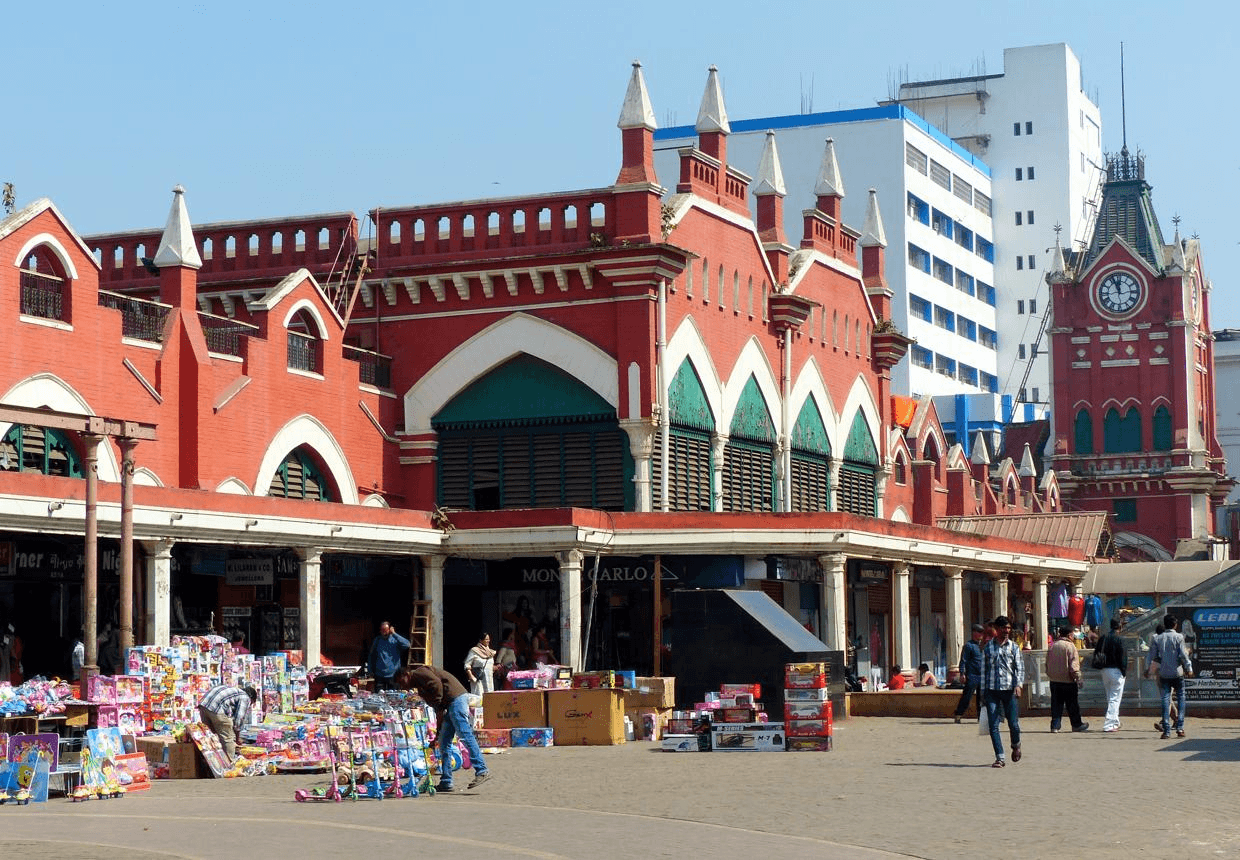
New Market and Gariahat
Kolkata’s New Market, opened in 1874 as Sir Stuart Hogg Market, is one of the city’s oldest and busiest shopping destinations. Together with the vibrant stalls of Gariahat, it offers delegates the chance to shop for handloom sarees, textiles, handicrafts, jewellery and local delicacies while experiencing the city’s bustling market culture.
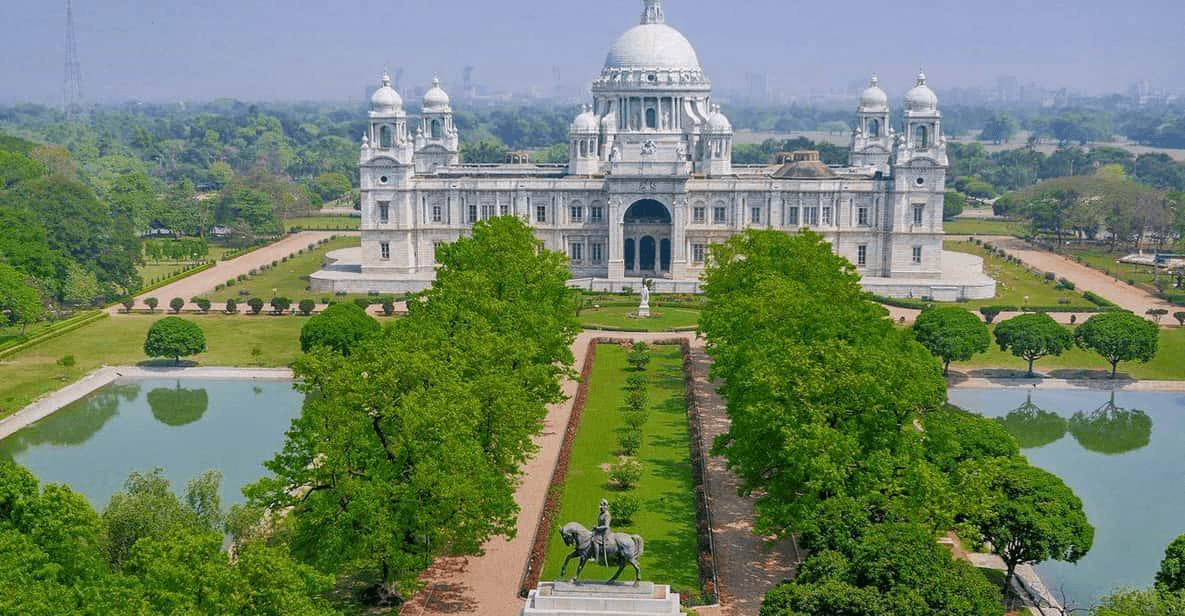
Victoria Memorial
The iconic white-marble monument is one of Kolkata’s most recognisable landmarks. Inaugurated in 1921, it houses paintings, historical artefacts and manuscripts that offer a glimpse into India’s past. Its magnificent architecture and landscaped gardens make it a must-visit destination for international delegates.
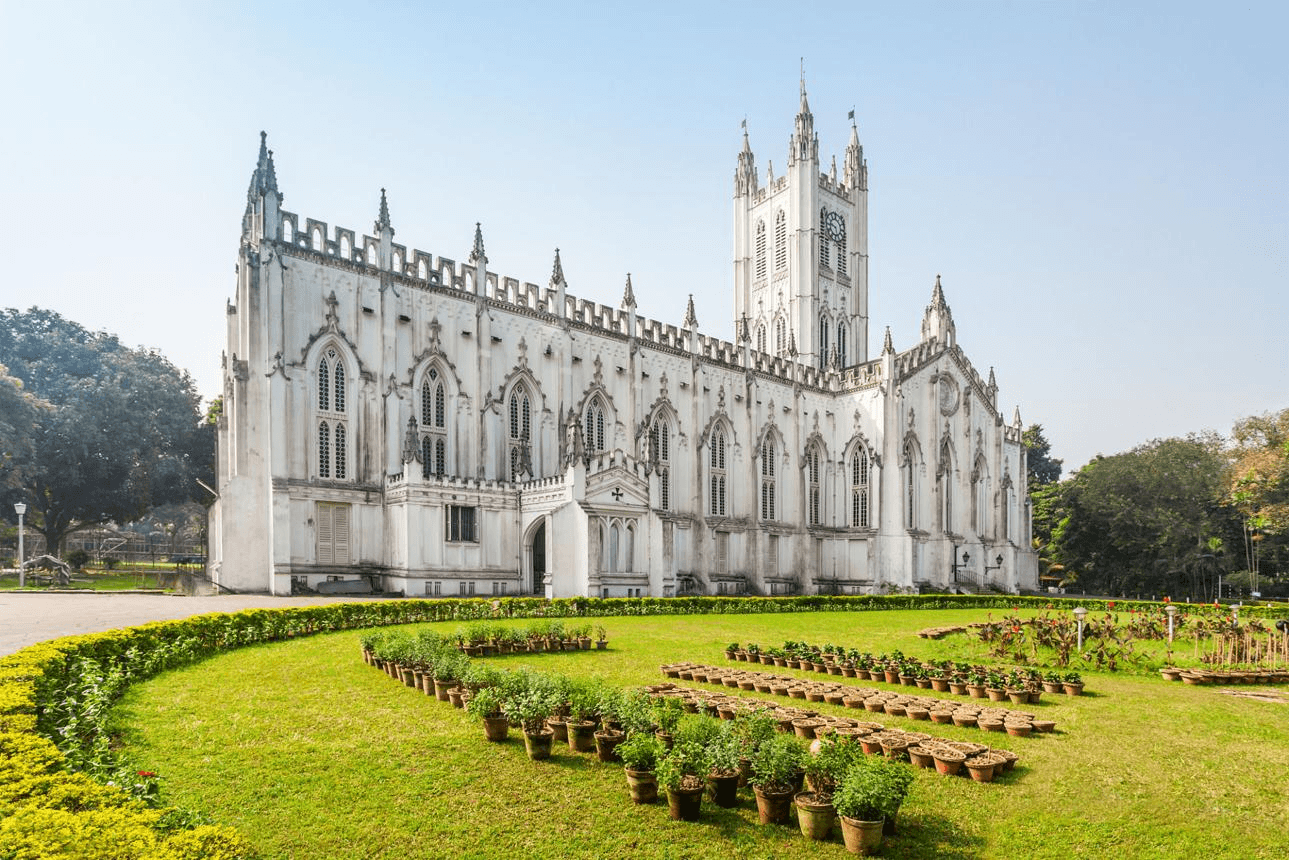
St. Paul’s Cathedral
St. Paul’s Cathedral is a landmark of Gothic Revival architecture in Kolkata. Consecrated in 1847, the cathedral is noted for its elegant structure, stained-glass windows and peaceful surroundings. Its architectural heritage reflects the diverse religious and cultural influences that have shaped the city.
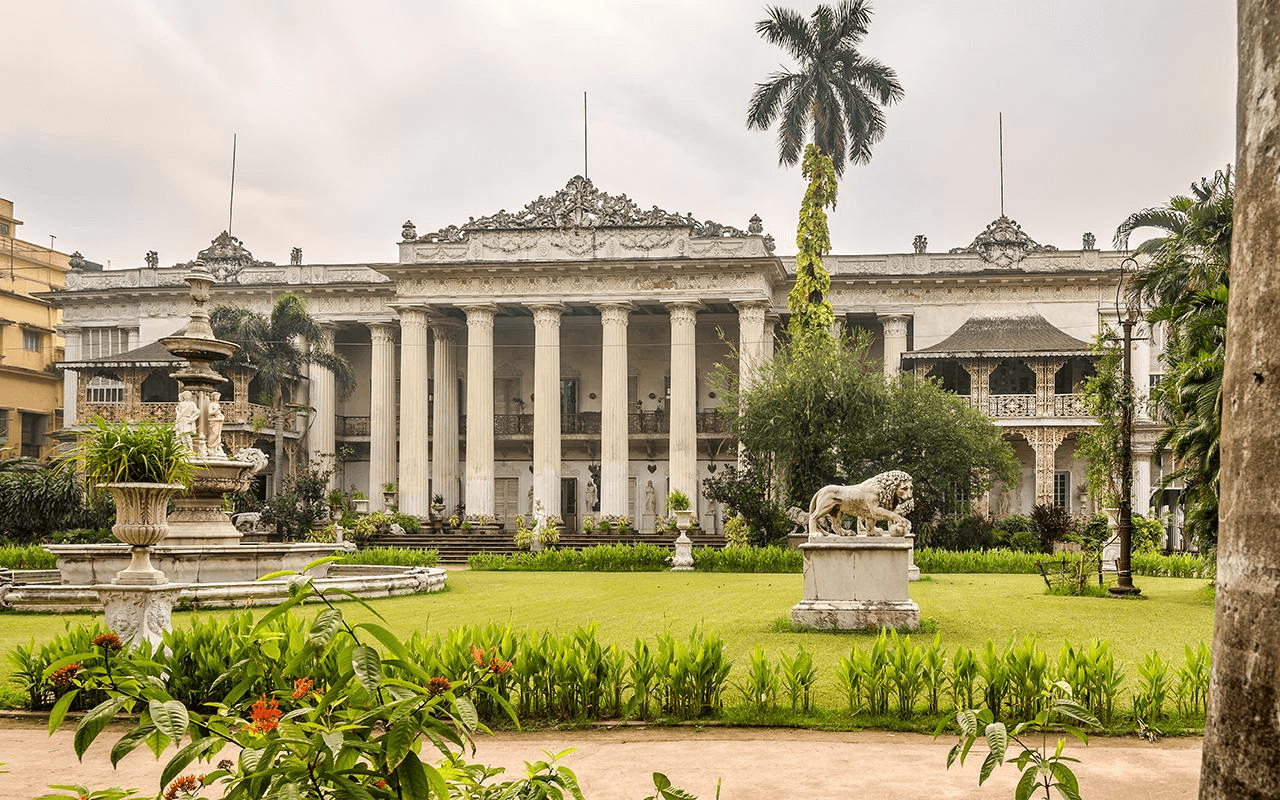
Marble Palace and North Kolkata’s Heritage Mansions
Built in 1835 by Raja Rajendra Mullick, the Marble Palace is a richly decorated mansion known for its marble floors, sculptures, chandeliers and European paintings. The surrounding lanes of North Kolkata are lined with grand rajbaris and heritage homes that reflect the lifestyle and patronage of the city’s historic merchant families.
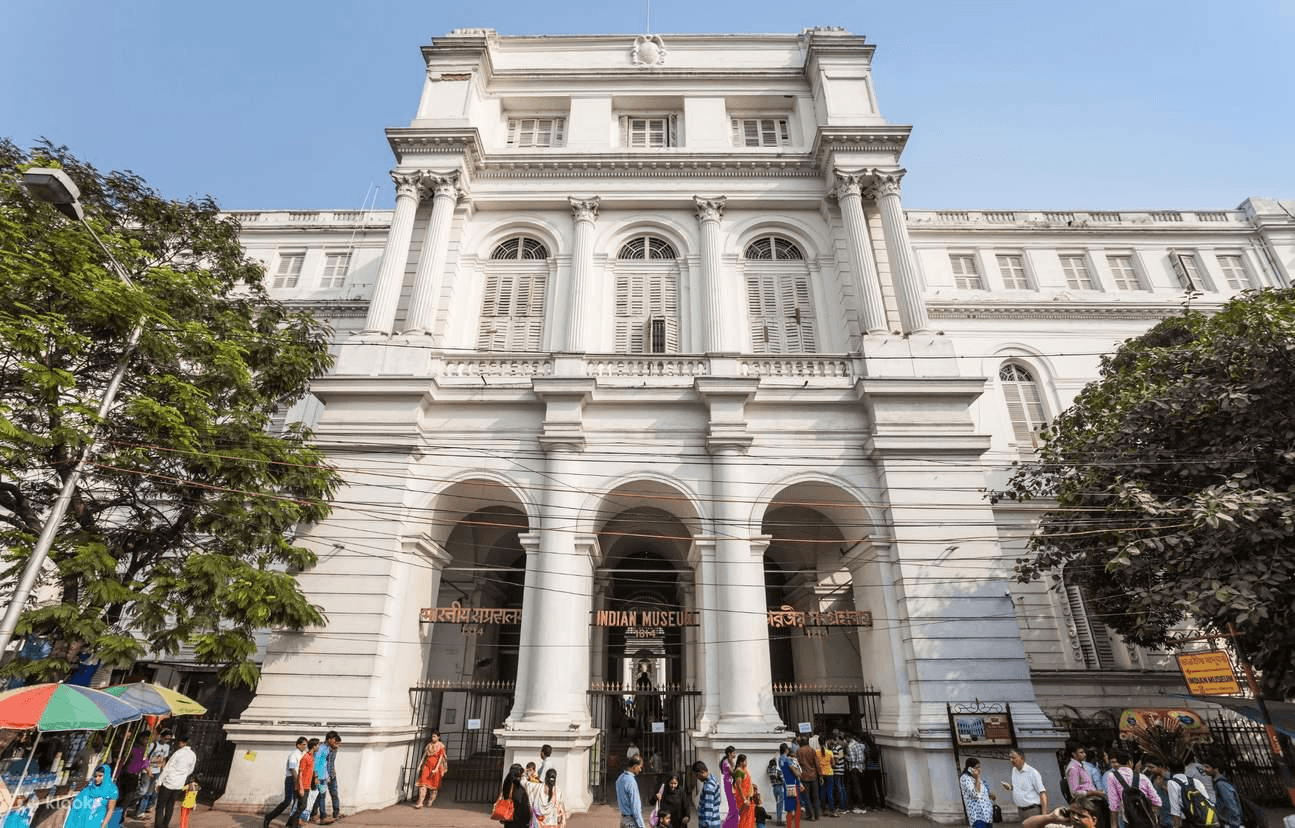
Indian Museum and Kolkata’s Cultural Institutions
Established in 1814, the Indian Museum is one of Asia’s oldest museums. Its collections include archaeological discoveries, sculptures, fossils, coins and art. Alongside institutions such as the Asiatic Society and the National Library, it reflects Kolkata’s longstanding contribution to scholarship and cultural preservation.
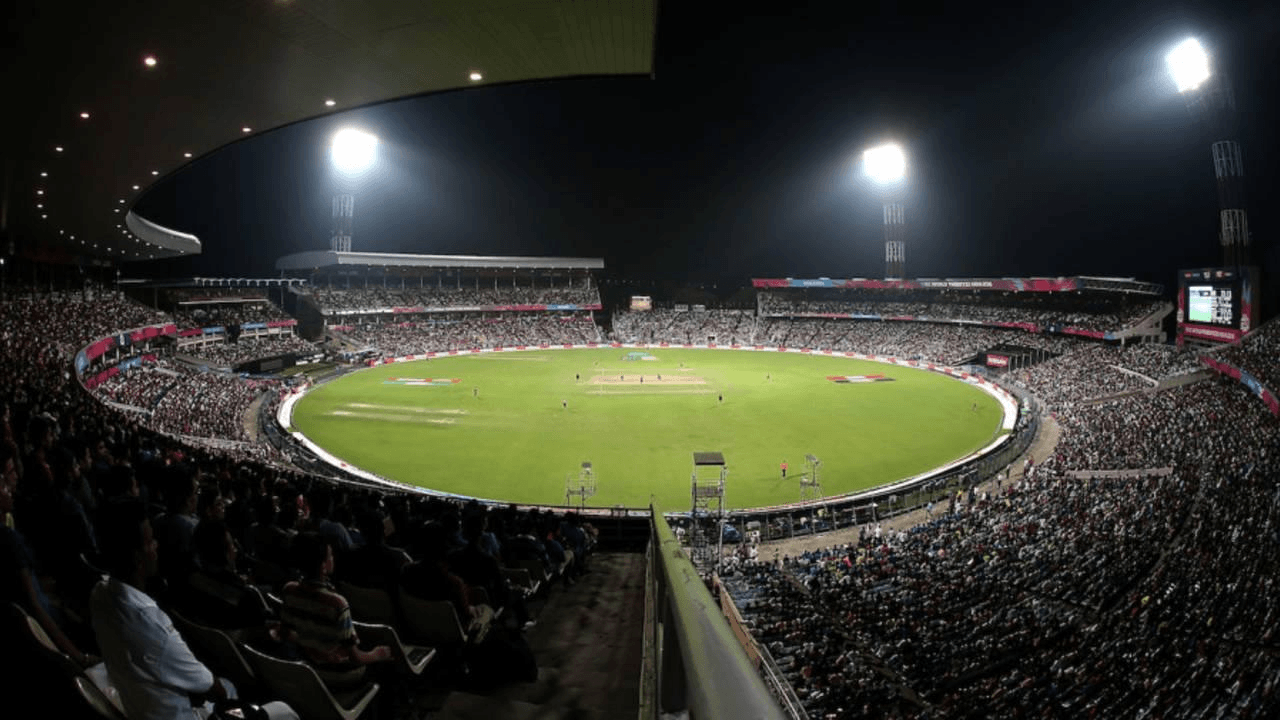
Eden Gardens and Kolkata’s Sporting Heritage
Established in 1864, Eden Gardens is among the world’s most celebrated cricket venues. Kolkata’s sporting culture also encompasses a passionate football tradition, historic clubs and enthusiastic supporters. Together, they showcase the city’s love of sport and community spirit.
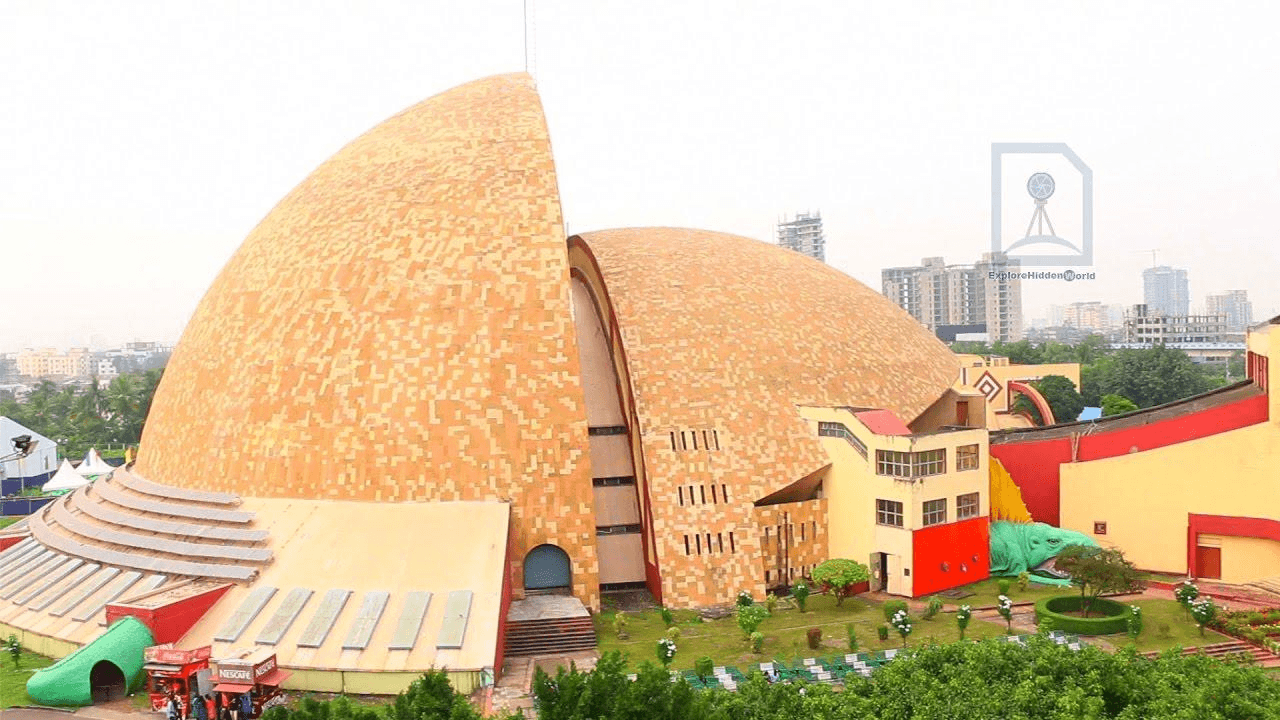
Science City
Science City brings science and technology to life through interactive exhibits, educational galleries and immersive experiences. It is an engaging destination for families and young visitors, reflecting Kolkata’s continuing commitment to education, innovation and scientific curiosity.
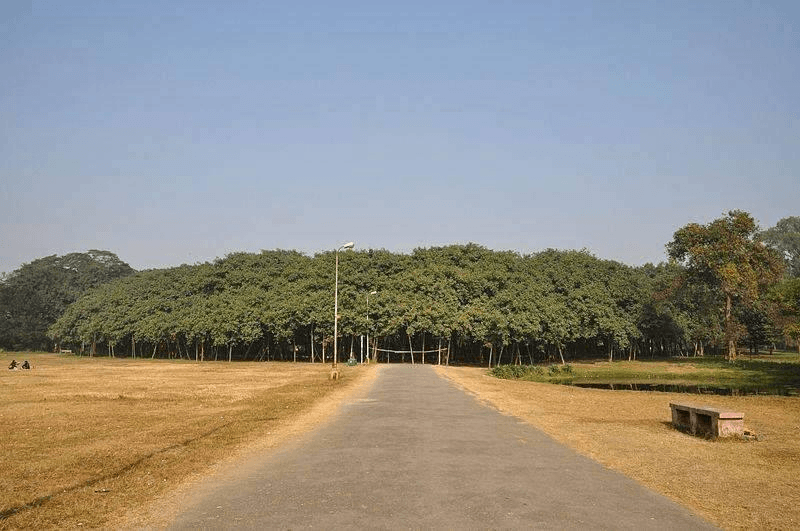
Alipore Zoological Garden and Indian Botanic Garden
Opened in 1876, Alipore Zoological Garden is India’s oldest formally established zoo and home to a wide variety of animals and birds. Across the river in Howrah, the Acharya Jagadish Chandra Bose Indian Botanic Garden, founded in 1787, is renowned for its rare plant collections and the Great Banyan Tree, one of the largest in the world.
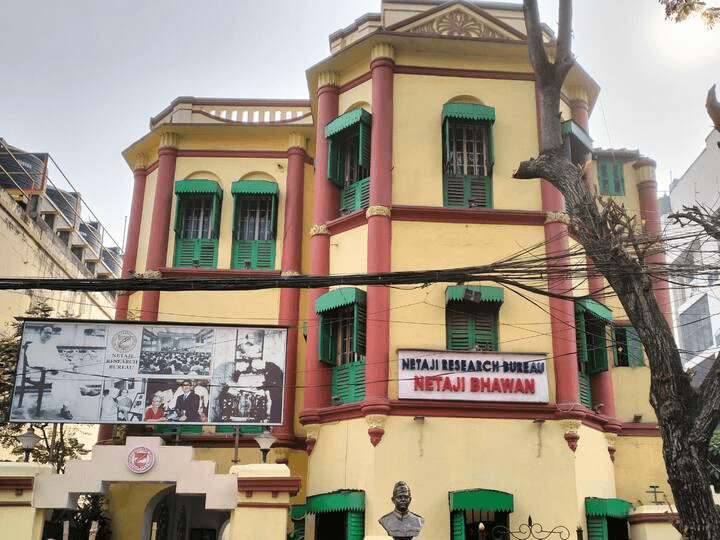
Netaji Bhawan
Netaji Bhawan is the ancestral home of Netaji Subhas Chandra Bose, located on Elgin Road (Lala Lajpat Rai Sarani) in Bhowanipore, Kolkata. The house was built in 1909 by his father, Janakinath Bose, and was converted into a museum in 1961. It preserves Netaji's personal belongings, photographs, letters, historical documents and other memorabilia. One of its major attractions is the car used by Netaji during his historic escape from British house arrest on the night of 16–17 January 1941.
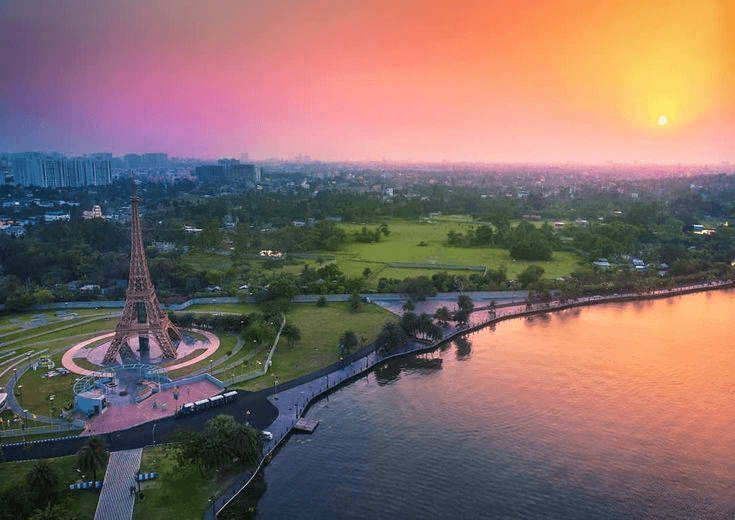
Eco Park, New Town
Eco Park is one of the largest and most popular recreational parks in Kolkata, located in New Town, Rajarhat. Spread across an extensive landscaped area, it features beautiful themed gardens, a large lake, boating facilities, cycling tracks and replicas of the Seven Wonders of the World. One of its major attractions is the Solar Dome Museum, India's first renewable energy museum, featuring interactive exhibits about solar, wind, tidal and other forms of energy.
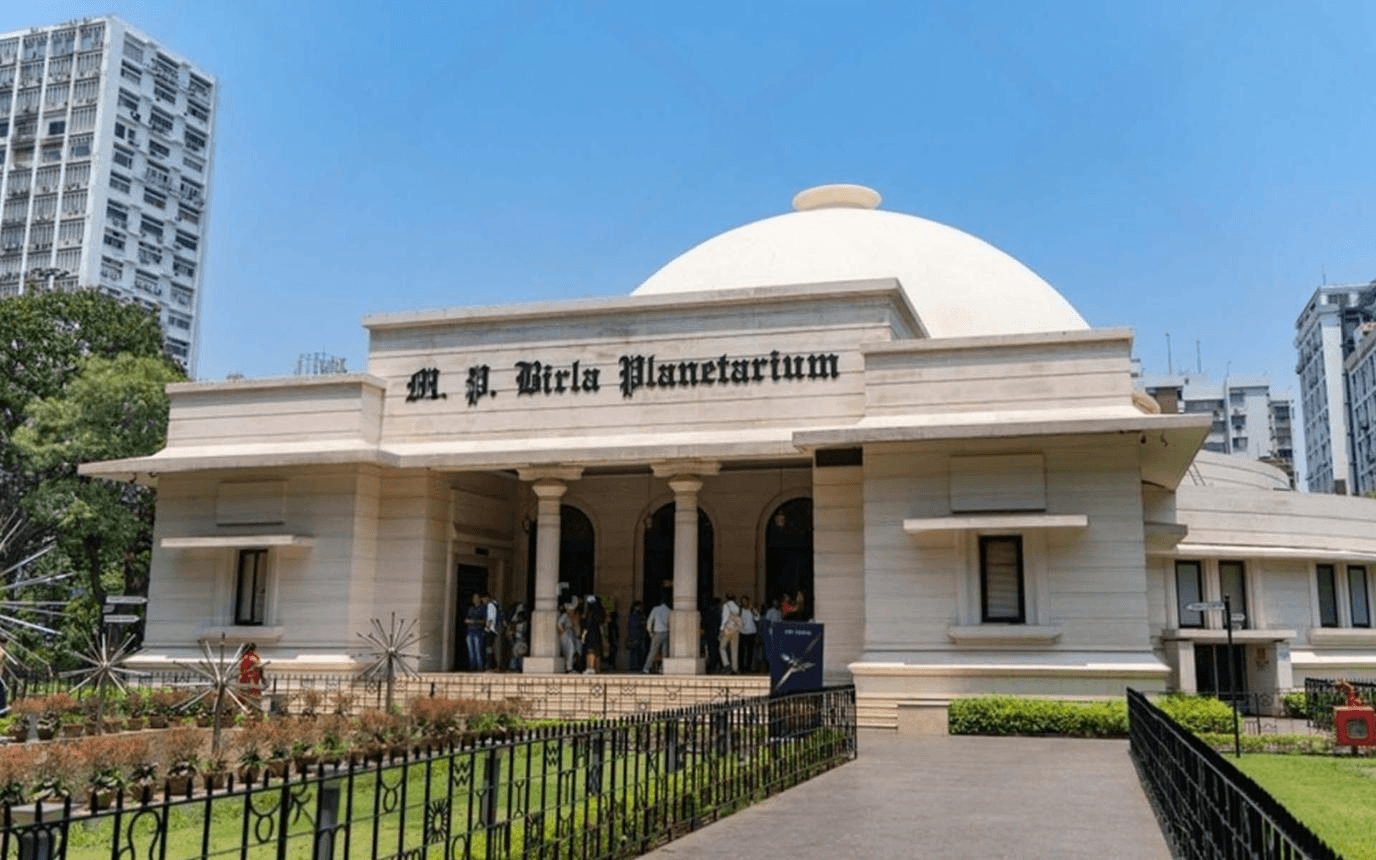
M. P. Birla Planetarium
The M.P. Birla Planetarium is a major scientific and educational attraction in Kolkata. Its distinctive domed architecture and astronomy presentations introduce visitors to the wonders of the universe, planets, stars and space exploration. It is an engaging destination for students, families and science enthusiasts.